Curses!
A 3D horizontal-scrolling hyper-casual pirate game — my DBGA Game Design 2nd level group project where I facilitated ideation and helped steer a team of designers through convergence.
Design Decisions
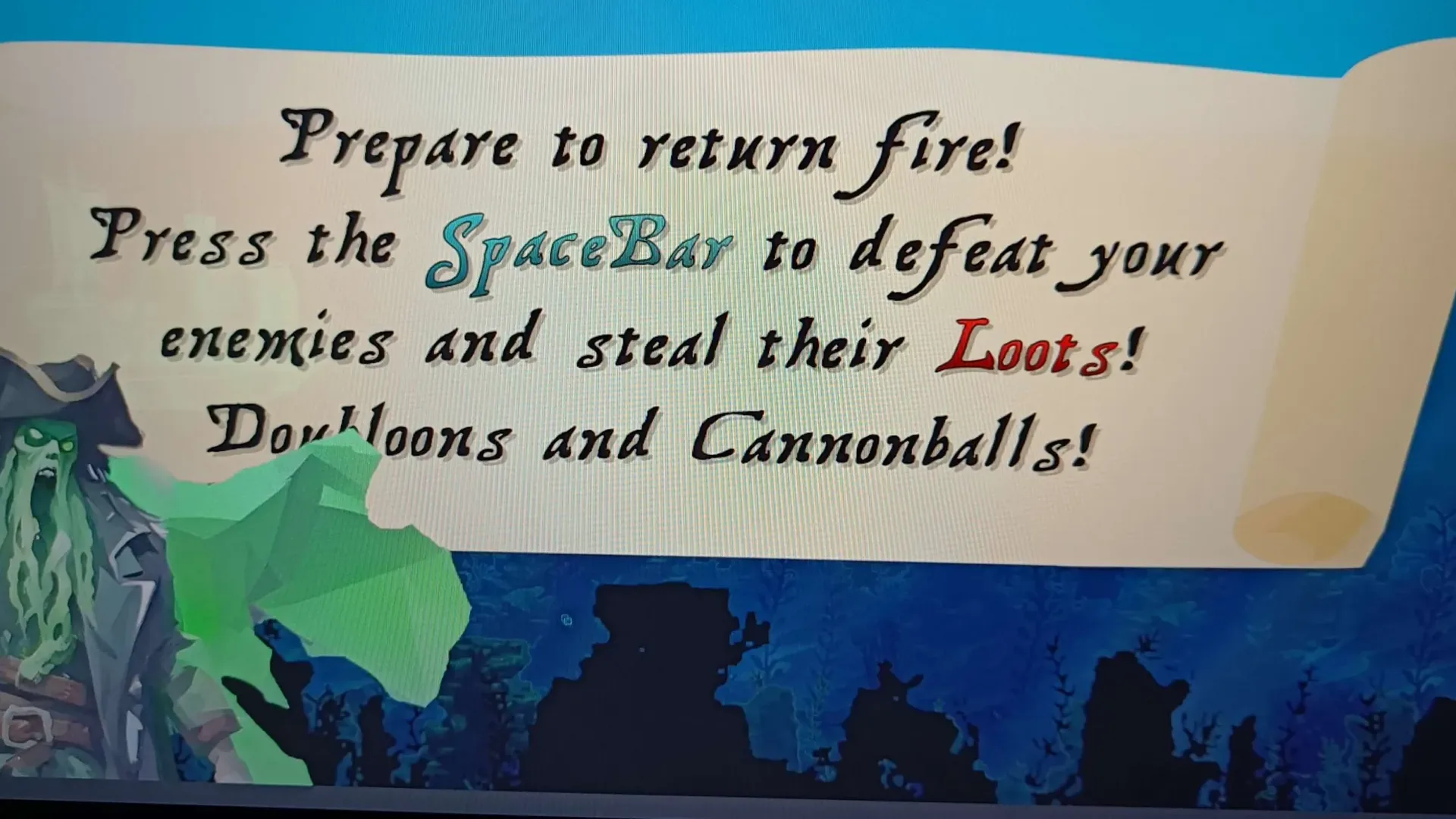
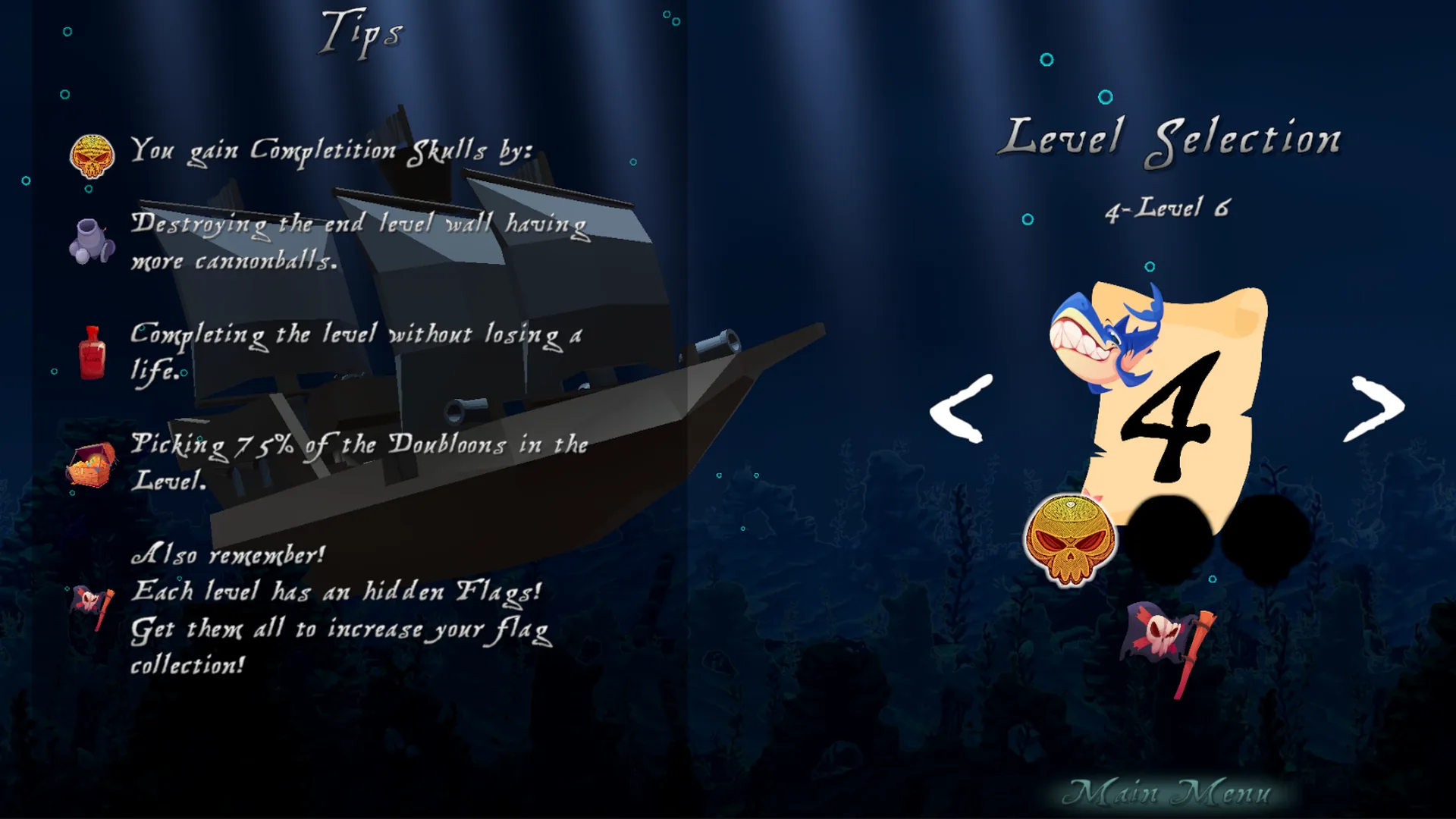
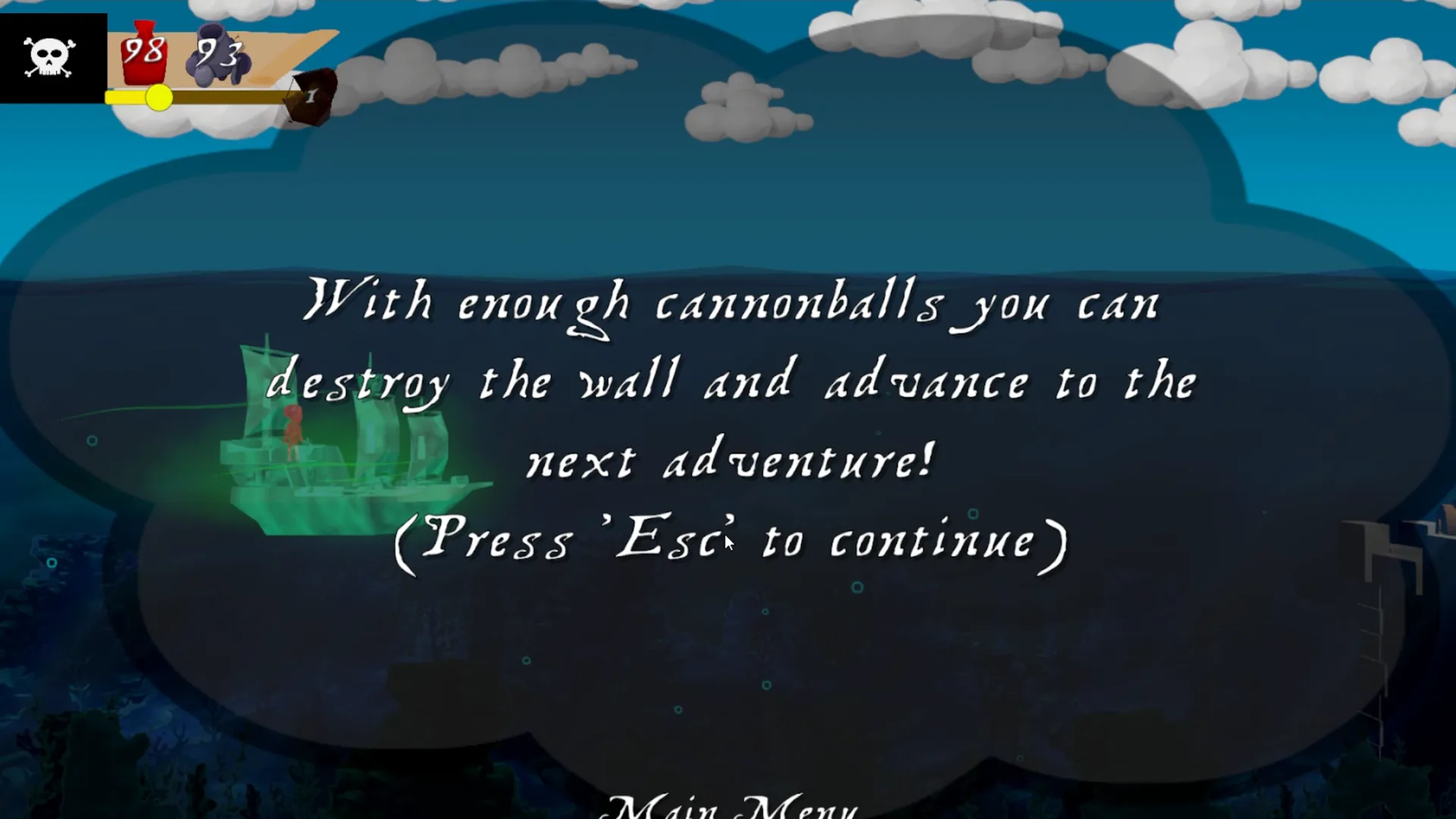
Contributed to the core game design — a horizontal-scrolling pirate adventure with a dual-rail system letting the player switch between sea surface and underwater gameplay. The mechanic of choosing between confronting enemies for loot or avoiding them to conserve health added meaningful strategic depth to what could have been a purely reactive experience. The consumable cannonball economy and level-ending defensive walls created natural pacing and risk-reward tension.
Production Scope
During the initial ideation and convergence phases, I drew on my production experience to facilitate the team's creative process. I helped guide brainstorming sessions towards a feasible scope, steered convergence discussions when the team needed direction, and helped the group align on a concept everyone was invested in. This was a key learning experience in team facilitation, communication, and creative negotiation.
Technical Contribution
Contributed to implementation in Unity alongside the team's programmers, supporting the development of gameplay systems during the production phase.
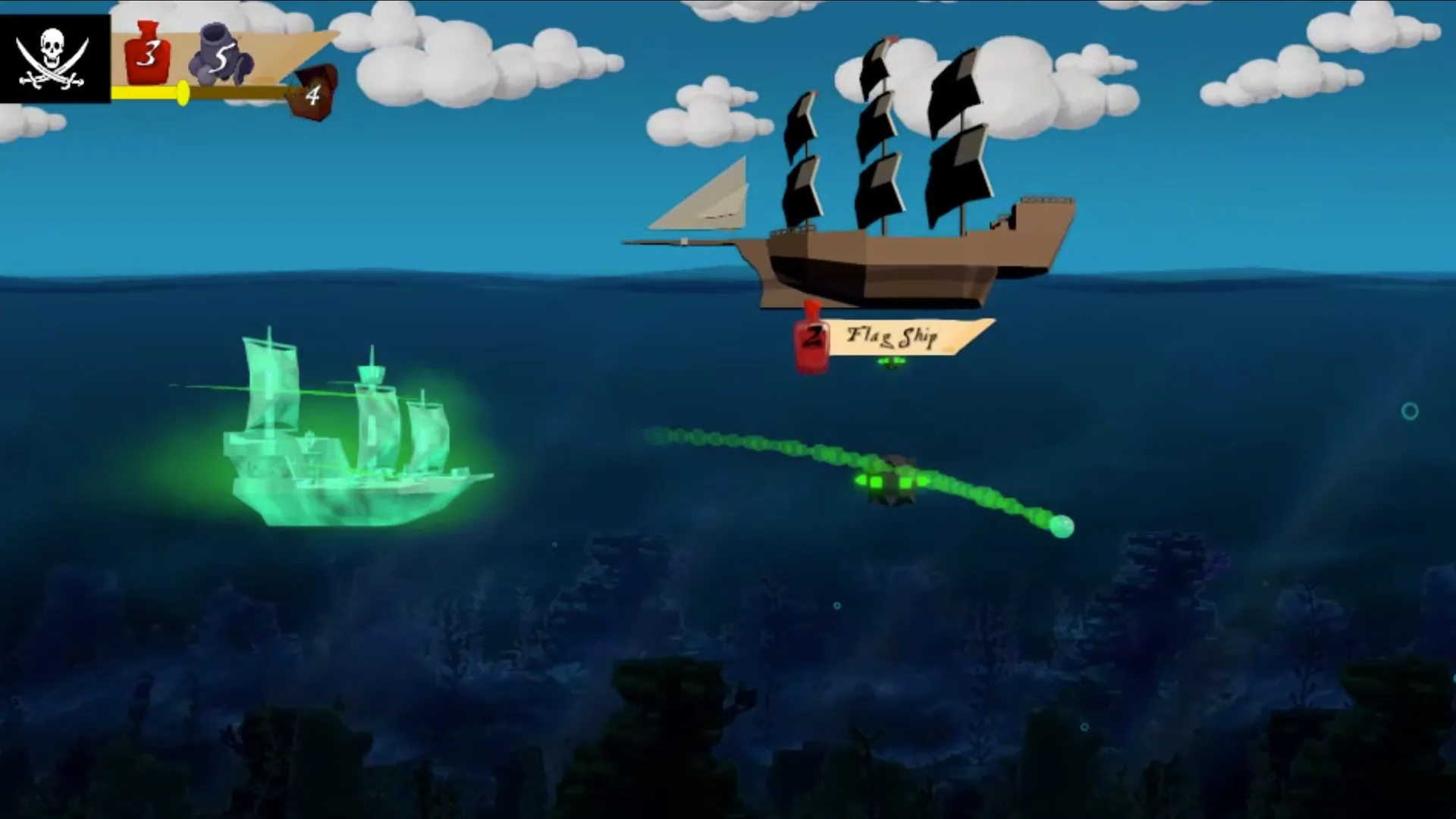
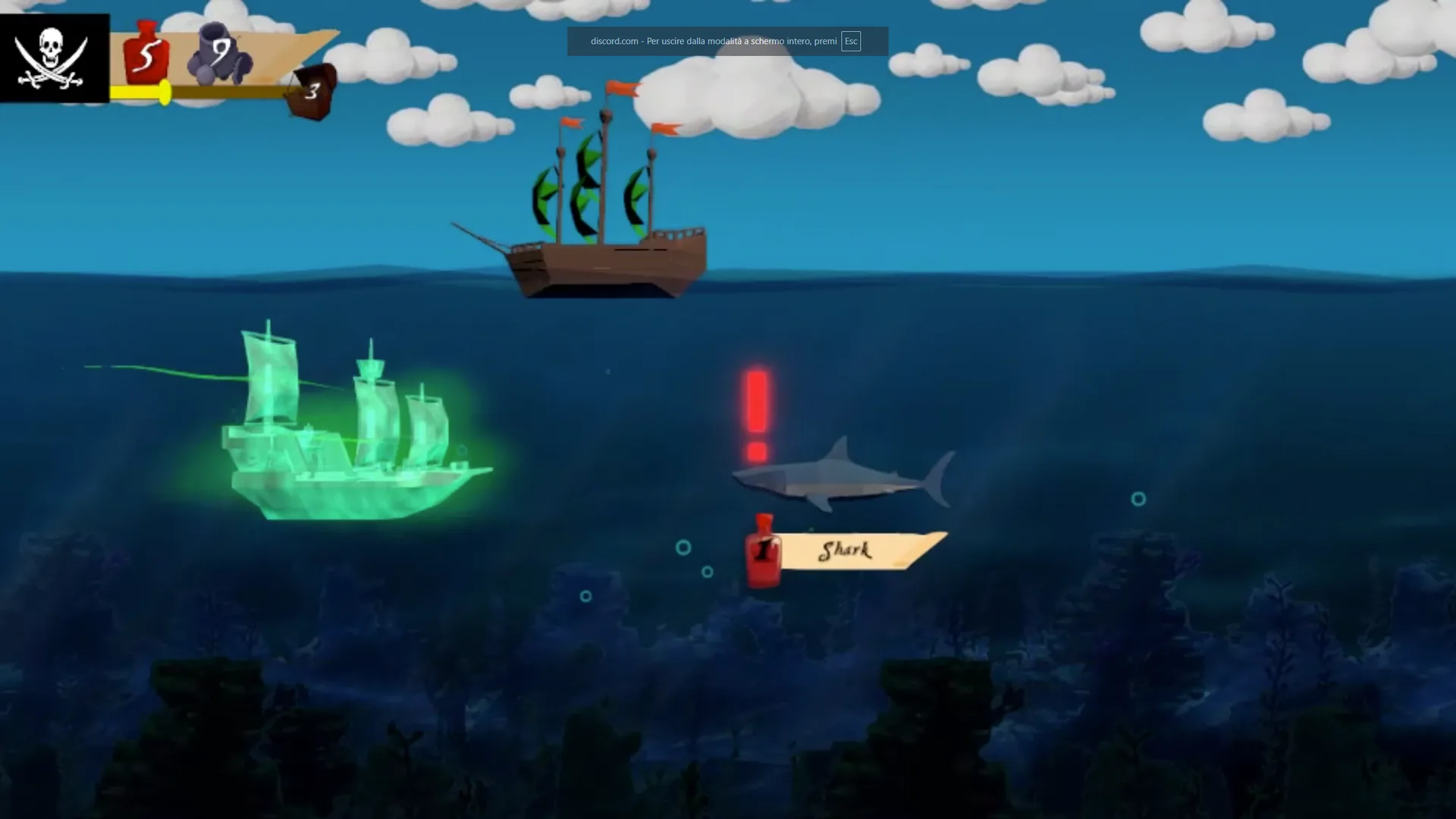
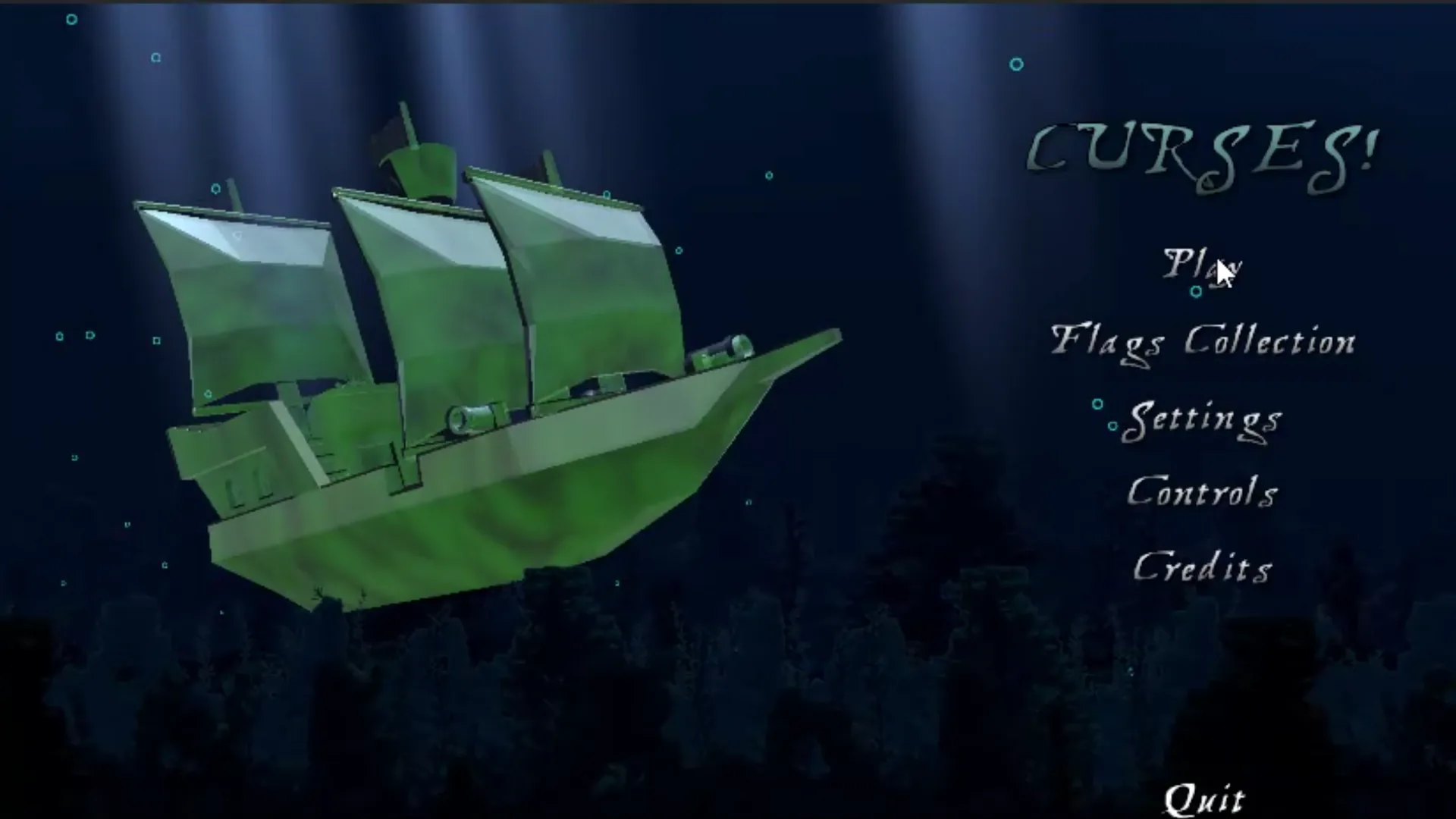
Curses! is a 3D horizontal-scrolling hyper-casual game set in a piratical world, developed as a group project during the 2nd level of the Game Design course at Digital Bros Game Academy. The player commands a ship across the seas, battling enemy vessels, sea monsters, and defensive walls to progress through increasingly challenging levels.
Dual-Rail Design
The game’s signature mechanic — inspired by the tale of Davy Jones — lets the player sail on the surface or dive underwater, switching between two rails that offer different risks and rewards. Surface gameplay focuses on combat encounters and loot collection, while underwater sections provide alternative routes. This choice system elevates the gameplay beyond simple reaction, requiring players to make strategic decisions about when to fight and when to evade.
Leading the Ideation Process
My proudest contribution wasn’t a design document or a mechanic — it was helping the team find its direction. During the early ideation and convergence sessions, I used my past project management experience to facilitate the creative process: guiding brainstorming towards achievable ideas, helping the team converge on a concept everyone believed in, and navigating the human side of group decision-making. It was a formative experience in communication, negotiation, and creative leadership.
All assets were either made by the team or obtained with proper licensing (CC0 or public domain).
Gallery